Skip to content
Beautiful, Functional Single Chimney Cap Solutions
A Small Component That Protects the Whole Chimney
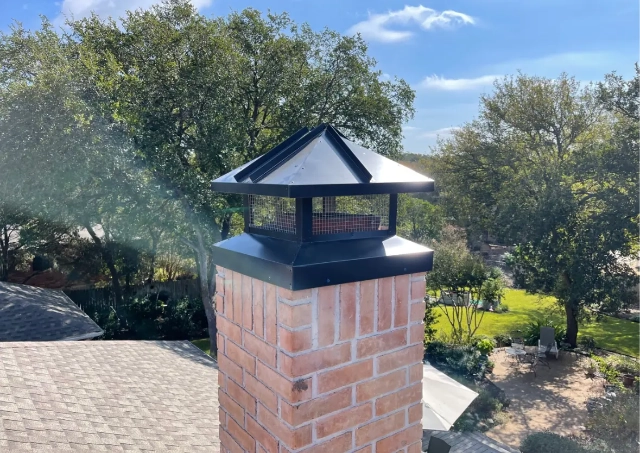
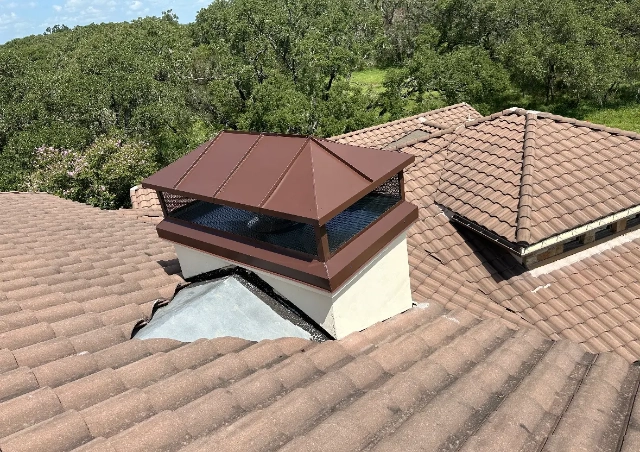
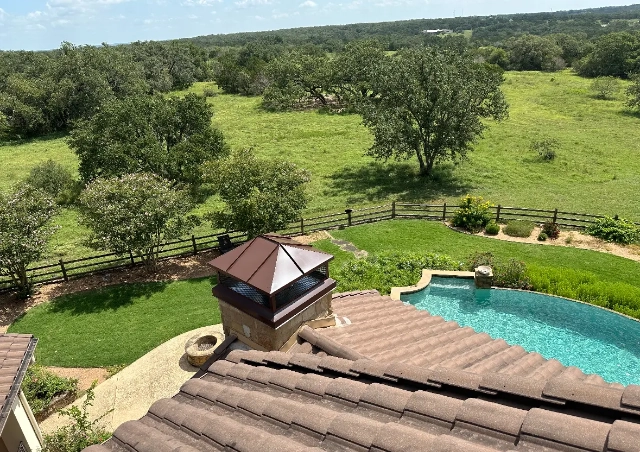
Your chimney cap is one of the smallest parts of your chimney system and one of the most important. A single cap sits over the flue opening at the top of the chimney, and from that one spot it keeps rain out, blocks embers from reaching the roof, and stops birds and other animals from getting inside. When the cap is missing, rusted, or knocked loose, the flue below loses its protection, and the problems that follow, water damage, blockages, and animal intrusion, are far more expensive to fix than the cap itself. At Wolfman Chimney & Fireplace, we install and replace single chimney caps that fit correctly and hold up to San Antonio area conditions.
Homeowners across the area, from Alamo Heights and Terrell Hills to Helotes, Leon Valley, and Boerne, count on a sound chimney cap to keep their systems dry and pest-free. If you have spotted a leaning or rusted cap, water near the firebox, or heard animals overhead, it is worth having the cap looked at before the next storm rolls through. Reach out to Wolfman Chimney & Fireplace and a certified technician will evaluate the cap and the crown together so nothing gets missed.
Chimney Caps Versus Chimney Crowns: What Is the Difference?
These two terms get mixed up often, but they are different parts that work as a team. The crown is the sloped masonry or concrete slab that seals the top of the chimney around the flue, shedding water away from the structure. The cap is the metal cover mounted above the flue opening that keeps rain, sparks, and animals out of the flue itself. A cracked crown lets water seep into the masonry, while a missing or damaged cap lets water and pests straight down the flue. Both need to be in good shape for the chimney to stay protected, which is why we inspect them together.
Why Are Chimney Caps So Vital to Chimney Condition?
Water is the single biggest enemy of a masonry chimney, and the cap is the first thing standing between rain and the inside of your flue. Without a cap, moisture pours directly into the flue, where it corrodes the damper, breaks down the liner, and works into the masonry. In San Antonio, that damage is accelerated by our climate. Long, hot summers drive daily expansion and contraction cycling through the masonry, intense ultraviolet exposure wears on sealants and cap coatings, expansive clay soils shift beneath foundations, and the occasional hard freeze and heavy storm add extra stress. A quality cap slows all of that down and protects the far more expensive components underneath it.
Why Can I Not Fix or Replace My Own Chimney Cap?
It is tempting to treat a chimney cap as a quick do-it-yourself job, but there are good reasons to leave it to a professional. The cap sits at the highest and least stable point of the roof, so the work carries real fall risk. Sizing matters too: a cap that does not fit the flue properly can loosen, restrict the draft, or fail to seal against water and animals. And a technician who is already up there can spot crown cracks, liner issues, or masonry damage that a homeowner would never see from the ground. A certified installer gets the fit, the fastening, and the airflow right the first time and confirms the rest of the chimney top is sound.
When Should My Chimney Cap Be Inspected?
The cap should be checked as part of your annual chimney inspection, and again after any significant storm or hail event, which the San Antonio area sees on a regular basis. Between those inspections, keep an eye out for rust streaks on the exterior masonry, a cap that looks crooked, missing or torn mesh, or water inside the firebox. Any of those signs is a reason to have the cap evaluated sooner rather than later.
Do Chimney Caps Really Keep My Home Safer, and What About Animals?
Yes. A chimney cap makes your home safer in two clear ways. Its spark-arrestor mesh catches embers that could otherwise land on your roof, and its cover and screening keep animals out of the flue. Birds, squirrels, and raccoons are quick to nest in an open or damaged chimney, and their nests block the draft, create odors, and become a fire hazard the moment you light a fire below. A properly built single cap with sound mesh keeps them out. If animals have already gotten in, have the chimney evaluated and cleared before you use it again so the flue can be safely closed off.
Absolutely. A move-in is one of the best times to have the whole chimney evaluated, cap included. You often do not know how the previous owner maintained the system, and a certified inspection tells you whether the cap, crown, and flue are sound before you light your first fire. It is a small step that can prevent an expensive surprise.
Yes. A damaged or missing cap leaves the flue exposed to water, embers, and animals, and the resulting problems, liner damage, blockages, rusted dampers, and moisture in the masonry, cost far more to repair than the cap. Addressing it promptly is one of the most cost-effective things you can do for your chimney.
Cost depends on the size of the flue, the cap material you choose, and the condition of the crown it mounts to, so it varies from chimney to chimney. The honest way to get a real number is a quick on-site evaluation. Contact Wolfman Chimney & Fireplace and we will assess your cap and crown and explain your options with no pressure.
Stainless steel is a dependable choice for San Antonio roofs because it resists rust and holds its shape through repeated heating and cooling. Copper offers the same durability with a distinctive look, and galvanized steel is a lower-cost option that tends to show wear sooner under intense sun. A technician can recommend the right fit for your chimney and budget.
A well-made stainless steel or copper cap can last many years, though our hot, high-UV climate and periodic storms shorten the life of thinner or lower-grade caps. Annual inspection is the best way to catch corrosion or storm damage before it lets water into the flue.
A single cap covers one flue. Chimneys that vent more than one appliance need a larger multi-flue cap built to cover all of the openings at once. If you are not sure which your chimney has, a technician can confirm it during the evaluation and recommend the correct cap.
"Our core belief is that true success comes from a balance of humility and confidence. We approach every challenge with the assurance of our skills while remaining open to learning and growth, ensuring we serve our clients with integrity and respect."
"Our core belief is that growth is essential for survival. We continuously innovate, adapt, and strive for improvement, believing that standing still means falling behind in a fast-changing world."
"Our core belief is always to help first. By prioritizing the needs of our clients and community, we build trust and long-lasting relationships, knowing that genuine service creates lasting value for everyone."
"Our core belief is always to do the right thing, even when it’s difficult. Integrity guides our actions, and we are committed to making choices that reflect honesty, fairness, and responsibility in every aspect of our business."
A chimney cap is a small investment that protects a much larger one. Keeping yours in good condition means less risk of water damage, blocked flues, and unwelcome animals, and it gives you the confidence that your San Antonio area home and chimney are protected season after season.
At Wolfman Chimney & Fireplace, we bring personalized care, honest recommendations, and certified workmanship to every cap installation and repair. Our work is backed by our CSIA and C-DET certifications, NCSG Master Chimney Professional standing, full insurance, ADA compliance, and Better Business Bureau accreditation, an A+ rating held since November 2021.
If your chimney cap needs attention, do not wait for the next storm to find out. Call Wolfman Chimney & Fireplace at (210) 903-9407 or book online, and we will get you on the schedule.