Skip to content

Plenty of Austin homeowners love the idea of a fireplace far more than the reality of a wood-burning one. Hauling and storing firewood, cleaning out ash, dealing with smoke, and scheduling regular sweepings all add up, especially when you only light a fire a handful of times a year. If that sounds familiar, you are a strong candidate for a wood-to-gas fireplace conversion, and summer is the ideal time to plan it. This guide walks Austin homeowners through the options, the decision points, and why getting the project done now sets you up for an effortless first fire when the weather finally cools.
Wolfman Chimney and Fireplace serves Austin and the surrounding Travis County area from our base in the Austin to San Antonio corridor. Our CSIA-certified technicians handle conversions across neighborhoods from Tarrytown and Hyde Park to Circle C, Westlake, and the suburbs of Cedar Park, Round Rock, and Pflugerville. We approach a conversion as a decision to be made carefully, not a product to be sold, so this guide is built to help you understand your choices before you ever pick up the phone.
Why Gas Makes Sense for Central Texas Homes
Fireplace usage in Austin looks nothing like fireplace usage in Chicago or Denver. We have mild winters and a short burning season, so most homeowners run a fire only on the coldest evenings between late November and February. For that pattern of use, a gas fireplace is hard to beat. You get instant heat and ambiance at the flip of a switch, with none of the prep, cleanup, or smoke that comes with burning wood.
There is also a maintenance angle that fits our climate well. A wood-burning system produces creosote, a flammable residue that builds up in the flue and requires regular professional cleaning to stay safe. Gas appliances produce far less buildup, so annual upkeep is simpler. For a home that only sees occasional fires, converting to gas matches the way Central Texans actually use their fireplaces. It is one of the reasons gas conversions are among the most popular fireplace projects we handle in the Austin market.
Gas also gives you cleaner, more consistent heat. A modern gas insert or set of gas logs throws steady warmth without the temperature swings of a wood fire, and you can shut it off the moment you leave the room. For families with young kids, busy schedules, or anyone who simply wants warmth without the work, that convenience is the whole point.
Understanding Your Conversion Options
Wood-to-gas conversion is not a single product. There are three main paths, and the right one depends on your existing fireplace, how much heat you want, and the look you are after. A good technician will walk you through all three rather than steering you toward one.
Gas logs (vented and ventless)
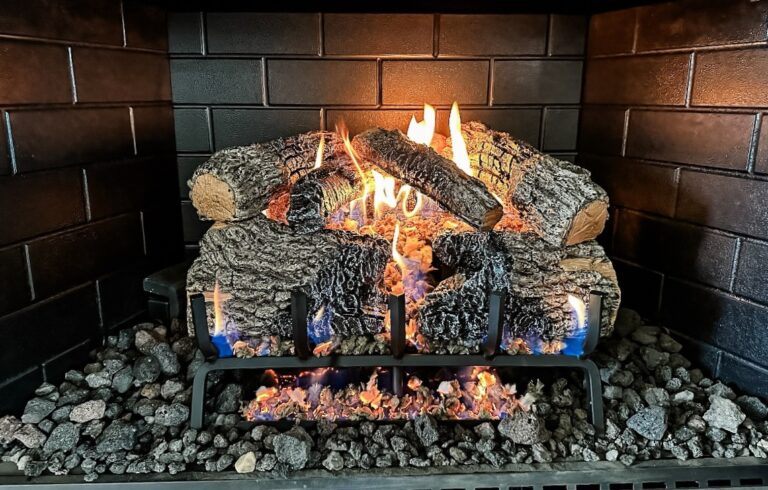
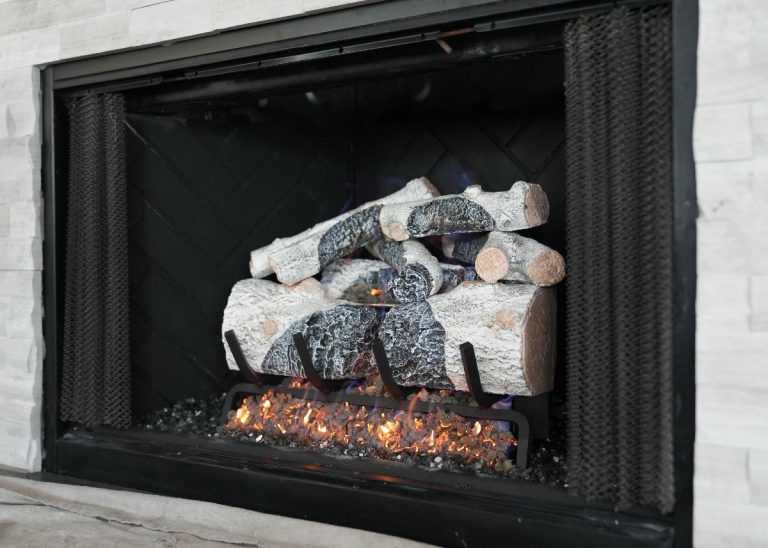
Gas log sets are the most affordable conversion. A burner and ceramic logs are installed inside your existing firebox and connected to a gas line. Vented gas logs use your existing chimney and flue and deliver a tall, realistic-looking flame, though much of the heat goes up the chimney. Ventless gas logs burn more efficiently and put more heat into the room, but they have stricter requirements around room size and ventilation, and they are not permitted in every situation. In our mild Central Texas climate, where ambiance often matters as much as heat output, gas logs are a popular and budget-friendly choice.
Gas inserts
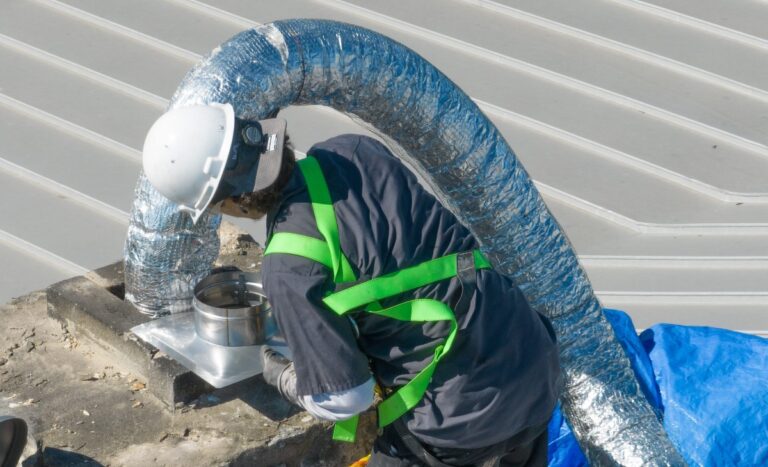
A gas insert is a sealed firebox unit that slides into your existing masonry fireplace opening. Inserts are the most efficient option because they are designed to push heat back into the room rather than lose it up the flue. They are an excellent fit if you want your fireplace to actually warm the space on those few cold Austin nights, and they come in a wide range of styles. An insert vents through a liner run up your existing chimney, which keeps the installation relatively contained.
Built-in gas fireplaces
If you are remodeling or your existing firebox is in poor condition, a built-in gas fireplace unit can replace the old setup entirely. This is the most involved option, but it gives you the most flexibility in placement, style, and efficiency. It is worth discussing if your masonry already needs significant repair, since you may be better served by a new unit than by patching an old firebox.
The Decision Framework: Choosing the Right Path
Rather than starting with a product, start with what you want the fireplace to do. Walking through these questions with a technician makes the choice clear:
- Do you want heat, ambiance, or both? If output matters, an insert leads. If you mostly want the look and feel of a fire, gas logs may be plenty.
- What condition is your existing fireplace and chimney in? A sound masonry firebox supports logs or an insert. A damaged firebox may point toward a built-in unit.
- Do you have a gas line nearby? Running a new gas line affects both cost and installation scope, so it is one of the first things to assess.
- What is your budget range? Gas logs are the most affordable, inserts sit in the middle, and built-in units are the largest investment. Knowing your range helps narrow the field quickly.
- How important is efficiency? Ventless logs and inserts keep more heat in the room, while vented logs prioritize flame appearance over warmth.
There is no universally correct answer. The best conversion is the one that matches how you actually use your fireplace and the bones of the system you already have. A professional assessment turns these questions into a concrete recommendation.
Why Summer Is the Smart Time to Convert
Timing a conversion for summer is not just convenient, it is genuinely the better engineering and scheduling choice. Here is why Austin homeowners benefit from acting now rather than waiting for fall.
Your system is fully ready before burning season
A conversion may involve running a new gas line, installing a flue liner, repairing the firebox, and setting and testing the new appliance. Doing that work in summer means everything is installed, inspected, and verified safe months before you want a fire. When the first cold front arrives, you simply turn it on. No waiting, no scheduling pressure, no surprises on a cold night.
Inspections and repairs happen in comfortable conditions
Many conversions reveal that the existing chimney needs attention first. A cracked crown, deteriorated mortar, or a flue that needs a liner all need to be sound before a gas appliance is installed. Summer is the ideal season to handle that masonry work, because our dry Central Texas heat lets mortar and crown repairs cure to full strength without rain delays or the occasional hard freeze interrupting the process. Bundling the prep work with the conversion in summer keeps the whole project on one efficient timeline.
You avoid the fall rush
The week the first cool front hits, every chimney and fireplace company in the Austin area is flooded with calls. Lead times stretch, and a conversion that could have been a relaxed summer project becomes a rushed fall scramble. Scheduling in summer means you set the pace, get a thorough assessment, and choose your appliance without pressure.
What to Expect From the Conversion Process
A professional conversion follows a clear sequence, and knowing it ahead of time makes the project feel far less daunting.
- Inspection and assessment. A CSIA-certified technician evaluates your firebox, flue, and chimney following NFPA 211 standards, and confirms the condition of the masonry and the availability of a gas supply.
- Recommendation and estimate. Based on your goals and the inspection, you receive a clear recommendation among gas logs, an insert, or a built-in unit, with a range-based estimate. Final pricing depends on the appliance you choose, gas line work, and any chimney repairs needed, and we believe in being transparent about all of it.
- Repairs and prep. Any necessary masonry repair, crown work, or flue lining is completed first so the system is sound and safe.
- Gas line and appliance installation. The gas supply is connected or extended as needed, and the chosen appliance is installed and vented properly.
- Testing and walkthrough. The system is tested for safe operation, and your technician shows you how to run and maintain it.
Throughout, the goal is a fireplace that is safe, efficient, and matched to how you live. Gas appliances are lower maintenance than wood, but they still benefit from periodic professional inspection to keep them running cleanly and safely.
Working With a Local Austin Team
A conversion touches gas, masonry, and venting, so it is worth having experienced, certified professionals handle it. Wolfman Chimney and Fireplace is family owned and holds CSIA, C-DET, and NCSG Master Chimney Professional certifications, along with an A plus BBB rating accredited since November 2021. We serve Austin and Travis County, including Tarrytown, Hyde Park, Westlake, Circle C, and the surrounding suburbs of Cedar Park, Round Rock, and Pflugerville.
If you have been thinking about trading firewood and ash for the flip of a switch, summer is the season to make it happen. Plan now and your converted fireplace will be ready, tested, and waiting the moment Austin finally cools off. To start with an inspection and a straightforward conversation about your options, reach our Austin team at (512) 866-9917.
Frequently Asked Questions
How much does a wood-to-gas fireplace conversion cost in Austin?
Cost varies widely depending on the path you choose. Gas log sets are the most affordable option, gas inserts sit in the middle, and full built-in gas fireplaces are the largest investment. Running or extending a gas line and any needed chimney repairs also affect the total. We provide range-based estimates after an inspection and are transparent that final pricing depends on your appliance and your home’s specific setup.
What is the difference between gas logs and a gas insert?
Gas logs are a burner and ceramic log set installed in your existing firebox, prized mainly for a realistic flame and ambiance. A gas insert is a sealed, highly efficient firebox unit that slides into your fireplace opening and pushes more heat into the room. If warmth matters most, an insert is usually the better choice. If you mostly want the look of a fire, gas logs may be ideal.
Can I keep using my existing chimney after converting to gas?
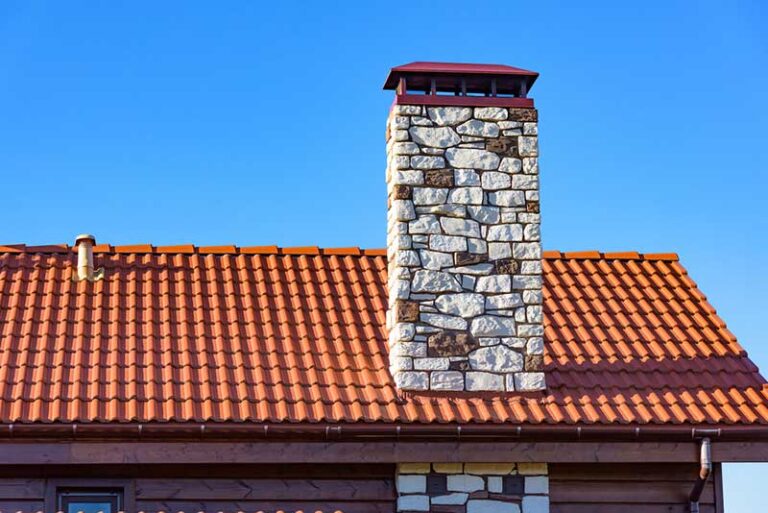
In most cases, yes. Vented gas logs and gas inserts use your existing chimney, though an insert typically requires a properly sized flue liner. A technician will inspect the chimney first, because the flue and masonry need to be sound before a gas appliance is installed. Any needed repairs are handled as part of the conversion.
Why should I convert in summer instead of waiting until fall?
Summer lets the full project, including any masonry and crown repairs, be completed and cured in dry conditions, so your system is installed, inspected, and ready well before burning season. You also avoid the fall rush, when every fireplace company in Austin is booked and lead times stretch. Convert in summer and you simply turn it on when the first cool front arrives.
Is gas a good fit for Central Texas with our mild winters?
It is an excellent fit. Austin has a short burning season and homeowners typically light a fire only on the coldest evenings. Gas delivers instant heat and ambiance with no firewood, ash, or smoke, and it produces far less buildup than wood, so maintenance is simpler. For occasional use in a mild climate, gas matches how Central Texans actually use their fireplaces.
Do you serve Austin suburbs for fireplace conversions?
Yes. Wolfman Chimney and Fireplace serves Austin and the surrounding Travis County area, including neighborhoods like Tarrytown, Hyde Park, and Westlake, plus suburbs such as Cedar Park, Round Rock, and Pflugerville, as part of our coverage across the Austin to San Antonio corridor. You can reach our Austin team at (512) 866-9917.