Skip to content

Your chimney liner is the unsung workhorse of your fireplace system. It contains combustion gases, protects the masonry structure from heat and corrosive byproducts, and directs smoke safely out of your home. When that liner deteriorates, whether from age, heat damage, or the unique environmental stresses of Central Texas, the consequences range from reduced efficiency to genuine safety hazards.
Chimney relining replaces a damaged or deteriorating liner with a new one that restores your chimney’s structural integrity and safe operation. If you’ve been told your chimney needs relining, or if you’re noticing warning signs that something isn’t right, this guide covers what’s involved, what your options are, and what to expect from the process.
What a Chimney Liner Actually Does
A chimney liner serves three critical functions, and all three matter for your home’s safety.
Containing combustion gases. When you burn wood, gas, or any other fuel, the combustion process produces carbon monoxide, water vapor, and other byproducts. The liner creates a contained pathway that channels these gases up and out of the chimney. Without an intact liner, those gases can seep through cracks in the masonry and migrate into your living space, a scenario that’s both invisible and dangerous.
Protecting the chimney structure. Combustion byproducts are acidic and corrosive. Over time, they eat through mortar joints and degrade brick from the inside out. A properly functioning liner acts as a barrier between these corrosive gases and your chimney’s masonry, dramatically extending the structure’s lifespan.
Ensuring proper draft. The liner’s diameter is engineered to match the output of your fireplace or appliance. A liner that’s the correct size for your appliance maintains optimal draft, the upward flow of air that pulls smoke out of your home. An oversized or damaged liner disrupts that draft, causing smoke to back up into the room or combustion gases to linger in the flue.
Signs Your Chimney Needs Relining
Liner damage doesn’t always announce itself with obvious symptoms, which is why routine chimney inspections are so important. However, there are several warning signs that should prompt a professional evaluation.
Pieces of clay tile in the firebox or cleanout. If you’re finding fragments of terra cotta tile at the base of your chimney, your clay liner is cracking and deteriorating. This is the most definitive visible sign of liner failure.
White staining on the exterior masonry. Called efflorescence, this chalky white discoloration occurs when moisture migrates through the masonry and deposits mineral salts on the surface. While efflorescence has multiple causes, it frequently indicates that the liner is no longer containing moisture from combustion gases.
Smoke backing up into the room. If your fireplace has started smoking into the house when it didn’t before, a damaged or collapsed liner section may be obstructing the flue. This is a use-it-immediately signal to stop using the fireplace and schedule an inspection.
A failed chimney inspection. During a Level 2 inspection, the standard recommended when buying a home, changing fuel types, or after a chimney fire, a technician uses video scanning equipment to examine the liner’s interior condition inch by inch. Cracks, gaps, or deterioration identified during this process typically indicate relining is needed.
The chimney has never been lined. Some older homes, particularly those built before the 1940s, have chimneys with no liner at all, just bare masonry. If your home falls into this category, installing a liner is essential for safe operation.
Why Central Texas Is Particularly Hard on Chimney Liners
Central Texas creates a specific set of environmental stresses that accelerate chimney liner deterioration in ways that homeowners, and even some contractors from other regions, don’t always anticipate.
Extreme Heat Cycling
The dominant stress factor in this region isn’t cold, it’s heat. Central Texas summers routinely push ambient temperatures above 100°F, and exposed chimney components absorb and re-radiate that heat throughout the day. When temperatures drop at night, the masonry and liner contract. Over hundreds of these daily thermal cycles each summer, clay tile liners develop hairline cracks that compound year after year.
This thermal cycling is especially aggressive on the south- and west-facing sides of chimneys, which receive the most direct solar radiation. It’s not uncommon for a chimney that’s structurally sound on its shaded north face to show significant liner deterioration on the sun-exposed side.
UV Degradation on Exposed Components
Central Texas receives some of the highest UV radiation levels in the country. While UV doesn’t directly degrade clay or stainless steel liners, it breaks down the sealants, mortar crowns, and flashing materials that keep water out of the chimney system. Once water penetration begins, the liner’s deterioration accelerates dramatically, particularly through freeze-thaw cycles during the occasional hard freezes that hit the region.
Hill Country Construction Considerations
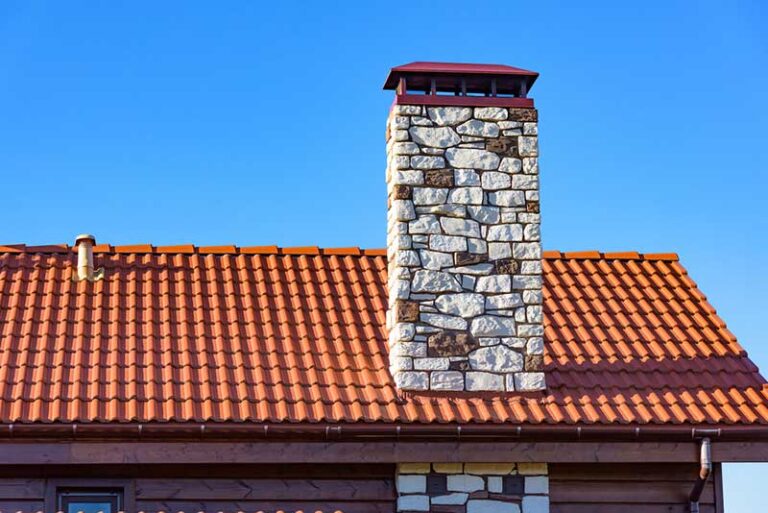
Many homes in the Hill Country and the New Braunfels-San Antonio corridor are built on limestone foundations with limestone or limestone-veneer chimneys. Limestone is naturally porous and more susceptible to moisture absorption than dense fired brick. When a chimney liner fails in a limestone chimney, the acidic combustion gases interact with the calcium carbonate in the stone, accelerating erosion from the inside. This makes early detection and repair even more critical in Hill Country construction.
Chimney Liner Material Options
When it’s time to reline, you have several material choices. Each has specific advantages depending on your appliance type, chimney configuration, and budget.
Stainless Steel Liners
Stainless steel is the most versatile and widely recommended relining material for residential chimneys. Flexible stainless steel liners can be routed through chimneys with offsets and bends that would be impossible for rigid materials. They’re compatible with wood-burning, gas, and oil appliances, and high-quality stainless steel liners carry manufacturer warranties of 15 to 25 years or more.
For Central Texas homeowners, stainless steel’s thermal tolerance is a significant advantage. Unlike clay, stainless steel expands and contracts without cracking, making it inherently better suited to the region’s extreme thermal cycling. Wolfman Chimney & Fireplace installs premium-grade stainless steel chimney liners across the Austin, San Antonio, and New Braunfels service areas.
Aluminum Liners
Aluminum liners are specifically designed for gas appliance venting. They’re lighter and less expensive than stainless steel, making them an economical choice when the chimney exclusively serves a gas fireplace or furnace. However, aluminum cannot be used with wood-burning appliances, the higher flue temperatures would compromise the material.
If you’re converting from wood-burning to gas and relining as part of that conversion, an aluminum chimney liner may be the cost-effective option. Just be aware that if you ever want to convert back to wood-burning, you’d need to reline again with stainless steel.
Clay Tile Liners
Clay tiles are the traditional liner material found in most masonry chimneys built from the mid-20th century onward. When intact, they perform well. The challenge is that replacing individual clay tiles typically requires breaking into the chimney structure from the outside, a costly and invasive process called “breaking and relaying” that’s rarely cost-effective compared to installing a stainless steel liner inside the existing clay tile structure.
Cast-in-Place Liners
Cast-in-place (CIP) lining involves pumping a cement-like compound into the chimney around an inflatable bladder, creating a seamless, monolithic liner when it cures. CIP lining is especially useful for chimneys with structural damage or irregular configurations where a flexible liner might not provide adequate support. It also reinforces the chimney structure itself, which can be valuable for older chimneys with deteriorating mortar joints.
The tradeoff is cost, CIP lining is typically the most expensive option, and the process requires more time and specialized equipment than a stainless steel liner installation.
What to Expect During the Relining Process
A standard stainless steel relining, the most common type, follows a predictable sequence that typically completes in a single day for a standard residential chimney.
Inspection and measurement. The technician performs a thorough inspection to confirm the scope of work, measuring the chimney’s interior dimensions, total height, and any offsets or bends. This data determines the liner diameter and length needed. For most residential fireplaces, the liner diameter falls between 6 and 8 inches.
Preparation. The existing chimney is cleaned and any debris or loose tile fragments are removed. Drop cloths and protective materials are set up in the home to contain dust and debris during the installation.
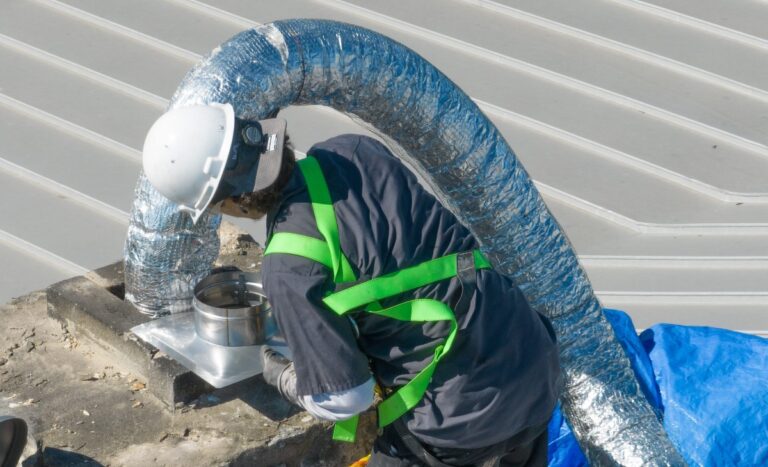
Liner installation. The flexible stainless steel liner is fed down from the top of the chimney. A technician on the roof guides the liner while a second technician works from the firebox to receive and connect it. The liner is connected to a top plate at the chimney crown and a connector piece at the fireplace or appliance at the bottom.
Insulation. For wood-burning applications, an insulating wrap or pour-in-place insulation is applied around the liner to maintain proper flue temperatures and improve draft performance. Gas-only installations may not require insulation depending on the manufacturer’s specifications.
Cap and seal. A rain cap is installed on the top plate to prevent water and debris from entering the flue. All connections are sealed and the system is tested for proper draft before the job is considered complete.
What Chimney Relining Costs in Central Texas
Relining costs vary based on chimney height, liner material, and the complexity of the installation. For a standard single-story home with a straight chimney run, expect the following general ranges for professional installation including materials.
Stainless steel liner installations for residential chimneys typically fall between $8,000 and $12,000.
Factors that push costs higher include two-story or multi-story chimney heights, chimneys with significant offsets, the need for masonry repairs before or alongside the relining, and the addition of insulation for wood-burning applications.
How Professional Inspections Catch Liner Problems Early
The most cost-effective approach to chimney liner maintenance is catching problems before they become emergencies. The National Fire Protection Association (NFPA) recommends annual chimney inspections, and that recommendation is especially relevant in Central Texas where environmental stresses accelerate deterioration.
A Level 1 inspection, the standard annual checkup, includes a visual examination of the accessible portions of the chimney and can identify obvious liner damage like missing mortar, visible cracks, or debris accumulation. A Level 2 inspection adds video scanning of the liner’s interior, providing a detailed view of conditions that aren’t visible to the naked eye. Level 2 inspections are recommended any time there’s a change of use, a property transfer, or a suspected chimney event like a fire or lightning strike.
Wolfman Chimney & Fireplace offers comprehensive chimney inspections across the Austin and San Antonio metros. Catching a hairline crack or early-stage deterioration during a routine inspection can mean the difference between a straightforward relining job and a major structural repair down the road.
Frequently Asked Questions
Q: How much does chimney relining cost in Central Texas?
A: Chimney relining in the Austin and Central Texas area typically ranges from $8,000 to $12,000, depending on the liner material, flue dimensions, and chimney condition. Stainless steel liners for standard single-flue chimneys fall toward the lower end. Chimneys requiring cast-in-place systems or extensive prep work before relining cost more. A professional chimney inspection determines the specific requirements and provides an accurate quote for your home.
Q: Why do clay tile chimney liners fail in Texas?
A: Central Texas creates unusually aggressive conditions for clay tile liners. Extreme summer heat causes daily thermal cycling that produces hairline cracks over time. Expansive clay soils shift seasonally, putting lateral stress on chimney structures. When chimneys are used infrequently, the resulting condensation and moisture buildup accelerate deterioration from the inside. These regional factors mean clay liners in Central Texas often fail sooner than identical liners in more moderate climates.
Q: Can I use my fireplace if the liner is cracked?
A: No. A cracked chimney liner cannot safely contain combustion gases or protect the surrounding structure from heat transfer. Using a fireplace with a damaged liner risks carbon monoxide entering your living space and heat reaching combustible materials adjacent to the chimney. If an inspection identifies liner damage, the fireplace should not be used until the relining is complete.
Q: What type of chimney liner is best for Central Texas homes?
A: Stainless steel liners are the most common and versatile choice for Central Texas homes. They handle both wood-burning and gas appliances, withstand the region’s thermal cycling, and can be installed in the irregular flue configurations found in many older Austin-area homes. For chimneys with significant structural deterioration, a cast-in-place system may be recommended because it reinforces the existing masonry while creating a new liner surface.
Q: Do I need a chimney inspection before relining?
A: Yes. A Level 2 chimney inspection with video scanning is the standard first step before any relining project. The inspection reveals the full extent of liner damage, identifies any structural issues in the chimney that need to be addressed before the new liner goes in, and provides the precise measurements needed to select and size the replacement liner correctly.
Q: Will chimney relining fix a fireplace that smokes into the room?
A: If the smoking is caused by a damaged, collapsed, or improperly sized liner, relining will typically resolve the issue by restoring proper draft. However, smoke problems can also be caused by factors unrelated to the liner, including insufficient chimney height, negative air pressure in the home, or an improperly designed firebox. A thorough inspection identifies the actual cause before recommending relining as the solution.
Protect Your Home with a Professional Chimney Evaluation
If your chimney is more than 15 to 20 years old, if you’ve noticed any of the warning signs described above, or if you’ve never had a professional assess your liner’s condition, it’s time to schedule an inspection. Wolfman Chimney & Fireplace serves homeowners throughout Central Texas, from Austin and Round Rock through San Antonio, New Braunfels, and the surrounding Hill Country communities.
Contact Wolfman Chimney & Fireplace to schedule your chimney inspection. We’ll assess your liner’s condition, explain your options clearly, and provide a straightforward estimate for any work that’s needed.