Skip to content

If you’re building a new home in the Austin metro or upgrading an existing fireplace, a gas fireplace is one of the smartest investments you can make. Gas units deliver instant warmth, clean operation, and the kind of real-flame ambiance that makes a living room feel finished, without the ash cleanup, chimney creosote, or firewood hauling that comes with a traditional wood-burning setup.
But choosing and installing a gas fireplace involves more than picking a style off a showroom floor. Venting requirements, Texas building codes, fuel line connections, and the specific demands of Central Texas construction all play a role in getting the installation right. This guide walks you through everything you need to know before, during, and after the process.
Types of Gas Fireplaces: Which One Fits Your Home?
Not all gas fireplaces work the same way. The three main categories differ in how they handle combustion air and exhaust, and that distinction drives your installation requirements, placement options, and overall cost.
Direct Vent Gas Fireplaces
Direct vent units use a sealed combustion system with a coaxial vent pipe, one pipe draws outside air in while the other exhausts combustion gases out. Because they don’t pull conditioned air from your living space, direct vent fireplaces are the most energy-efficient option and the most popular choice for new construction across the Austin area.
These units can vent horizontally through an exterior wall or vertically through the roof, giving you significant flexibility in placement. They’re ideal for bedrooms, living rooms, and any space where air quality matters. If you’re building in a new Austin-area development and want a fireplace on an interior wall, direct vent is typically your best path forward.
Vent-Free (Ventless) Gas Fireplaces
Vent-free fireplaces burn gas so efficiently that they require no external venting at all. All heat stays in the room, making them exceptionally effective as supplemental heating sources. They’re also the easiest to install since there’s no vent pipe routing to plan.
Central Texas’s relatively mild winters make ventless fireplaces a particularly practical option here. In markets like Minneapolis or Denver, ventless units sometimes struggle with moisture buildup during extended use. In the Austin metro, where you’re typically running the fireplace for shorter stretches during a handful of cold weeks, that concern is significantly reduced.
That said, Texas does regulate vent-free installations. Units must include an oxygen depletion sensor (ODS), and room size minimums apply, typically 150 to 300 square feet depending on BTU output. A qualified installer ensures your specific room meets those requirements.
Gas Fireplace Inserts
If you already have a wood-burning fireplace and want to convert to gas, an insert is the way to go. A gas insert slides into your existing firebox and uses a liner through the existing chimney flue to vent exhaust. This approach preserves the look of your original fireplace while delivering the convenience and efficiency of gas.
For many older homes in established Austin neighborhoods like Tarrytown, Allandale, and Hyde Park, an insert is often the most practical upgrade. You get modern gas efficiency without the cost and disruption of tearing out your existing masonry fireplace.
What the Installation Process Actually Looks Like
A professional gas fireplace installation typically spans one to three days depending on complexity. Here’s what’s involved at each stage.
Pre-Installation Assessment
Before any work begins, a qualified technician evaluates your space. This includes measuring the room, assessing existing gas line capacity, identifying the best venting route, and reviewing structural considerations. For insert installations, a thorough chimney inspection determines the condition of your existing flue and whether any masonry repairs are needed before the insert goes in.
Gas Line and Fuel Connection
Your fireplace needs a dedicated gas supply line sized to handle the unit’s BTU rating. In new construction, this line is typically roughed in during framing. For retrofits, a licensed plumber or gas technician runs a new line from your existing gas supply. In the Austin area, most homes use natural gas, though propane is common in properties outside the municipal gas service area, particularly in the Hill Country west of town and in communities along the I-35 corridor toward New Braunfels and San Marcos.
Venting Installation
For direct vent units, the installer routes the coaxial vent pipe either horizontally through the nearest exterior wall or vertically through the ceiling and roof. Horizontal venting is less expensive and less invasive, but vertical venting is sometimes necessary based on the fireplace’s position in the home or local code requirements for vent termination clearances.
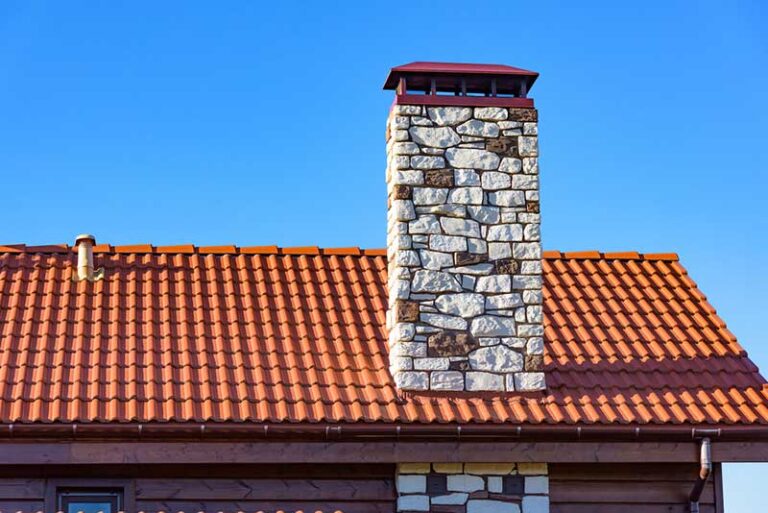
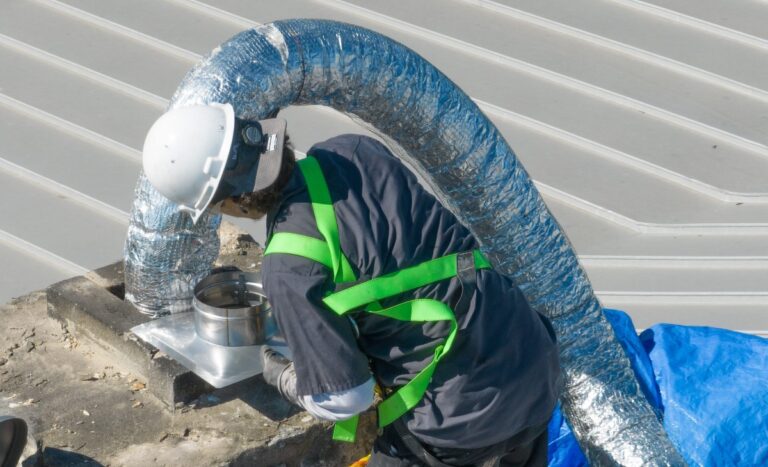
For inserts, a flexible aluminum or stainless steel liner is run down through the existing chimney. The liner connects to the insert and terminates at the top of the chimney with a proper rain cap and storm collar.
Unit Placement and Finishing
Once gas and venting are connected, the fireplace unit is set in place, leveled, and secured. For new-construction built-in fireplaces, the surrounding framing is completed with non-combustible materials at the required clearances. For inserts, the decorative surround panel seals the gap between the insert and the existing fireplace opening. The final step is testing the unit for proper ignition, flame quality, and venting performance.
Venting Requirements and Texas Building Codes
Gas fireplace venting in Texas falls under the International Fuel Gas Code (IFGC) as adopted by the state, with local amendments varying by jurisdiction. In the Austin metro, the City of Austin’s mechanical code governs vent termination locations, clearances from windows and doors, and minimum vent heights above grade. Travis County, Williamson County, and Hays County each have their own permitting processes for gas appliance installations.
Key code requirements to be aware of include minimum clearances between vent terminals and openable windows (typically 4 feet for direct vent units), minimum vent termination heights above grade level (usually 12 inches), and setback distances from property lines. For vent-free installations, the oxygen depletion sensor requirement is mandated statewide under Texas regulations.
Permits are generally required for new gas fireplace installations in Austin and the surrounding municipalities. A qualified installer handles the permit application and coordinates the required inspection, this is not a step to skip or shortcut, as an unpermitted installation can create issues during a home sale or insurance claim.
How to Choose the Right Gas Fireplace for Your Space
Selecting the right unit comes down to matching a few key variables to your specific situation.
Room size and BTU output. Gas fireplaces range from around 10,000 BTU for small decorative units up to 60,000 BTU or more for high-output heaters. A unit that’s dramatically oversized for the room will cycle on and off excessively, while an undersized unit won’t deliver the warmth you’re expecting. For a typical Austin-area living room of 300 to 500 square feet, a unit in the 20,000 to 35,000 BTU range usually hits the sweet spot.
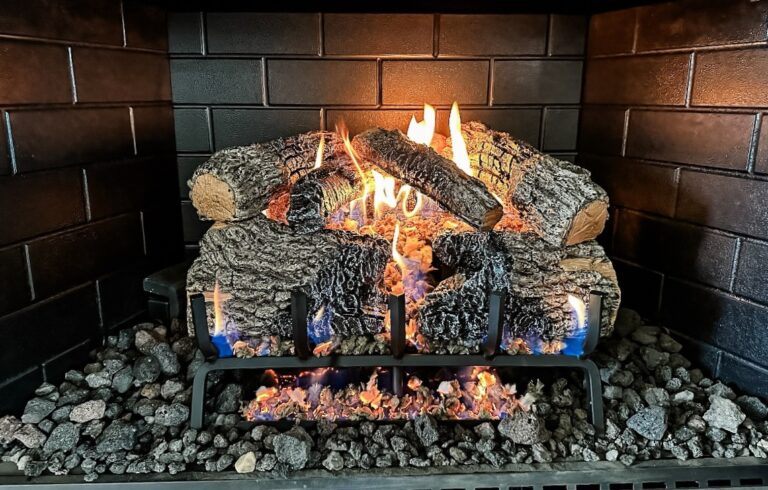
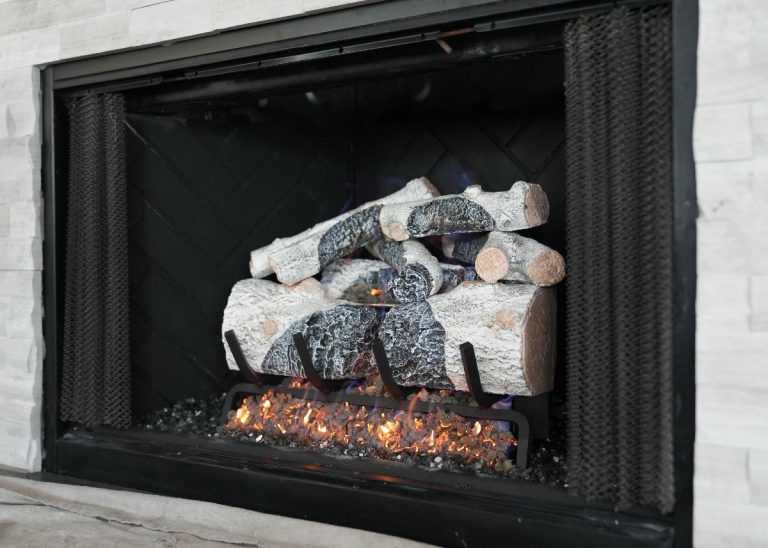
Aesthetic preferences. Today’s gas fireplaces range from traditional log sets that closely replicate a wood fire to contemporary linear designs with glass media or river rock. Many Austin homeowners building in modern or transitional styles are choosing wide-format linear units, these make a strong visual statement and work well as a room divider or wall feature.
Heating vs. ambiance. If your primary goal is supplemental heating, prioritize BTU output and efficiency ratings. If the fireplace is mainly for ambiance in a room that’s already well-heated by your HVAC system, a lower-output decorative unit may be the better value.
Remote and smart home controls. Most mid-range and premium gas fireplaces now offer remote control, wall-mounted thermostats, and smart home integration. If you’re building a connected home, confirm compatibility with your preferred ecosystem before purchasing.
Cost Factors for Gas Fireplace Installation in Central Texas
Installation costs vary significantly based on the type of unit, the complexity of the venting, and whether you’re working with new construction or a retrofit. Here’s a realistic breakdown of the main cost components.
The fireplace unit itself typically ranges from $3,000 to $8,000+, depending on size, brand, and feature set. Basic direct-vent units start at the lower end, while premium linear models with advanced controls push into the higher end.
Installation labor costs range from $2,000 to $6,000 for most residential projects. Simple horizontal-vent installations are on the lower end, while vertical venting through multiple floors or complex insert installations with chimney liner work trend higher.
Gas line work adds $600 to $1,800, depending on the distance from your existing gas supply and whether the line needs to run through finished walls, crawl spaces, or attic areas.
Finishing and surround materials are the wild card. A basic mantel and tile surround might add $1,500 to $3,500, while a full floor-to-ceiling stone or stacked-stone surround can run $4,000 to $10,000 or more. Many homeowners underestimate this line item, so factor it into your planning early.
Permits and inspection fees in the Austin area typically run $100 to $400.
Gas Fireplace vs. Wood-Burning: Which Makes More Sense in Central Texas?
Texas homeowners often debate between gas and wood-burning, and the Central Texas climate tilts the calculus in gas’s favor for most households.
Austin’s heating season is relatively short, most homes need supplemental heat for roughly 8 to 12 weeks per year, with extended cold snaps measured in days rather than months. A gas fireplace gives you instant heat at the flip of a switch for those cold evenings without the overhead of maintaining a wood-burning system year-round. There’s no firewood to source, split, and stack. No creosote buildup requiring annual chimney sweeping. No ash disposal. And no risk of stray embers during Texas’s increasingly common dry, windy conditions.
Wood-burning fireplaces still have their place, particularly for homeowners who genuinely enjoy the ritual of building and tending a fire. But for the majority of Austin-metro households prioritizing convenience, efficiency, and lower maintenance, gas is the practical winner.
Outdoor Gas Fireplaces: Extending Austin’s Outdoor Living Season
Austin’s outdoor living culture is a major part of what makes the area special, and outdoor gas fireplaces have become one of the most requested features in new patio and deck designs across the metro. A well-placed outdoor gas fireplace extends your usable patio season from about eight months to nearly year-round, adding both functionality and significant property value.
Outdoor-rated gas fireplaces are specifically engineered to withstand the elements, including Central Texas’s intense summer UV exposure, occasional severe storms, and the rapid temperature swings that characterize Hill Country weather. These units require the same professional installation as indoor fireplaces, with particular attention to wind exposure, vent termination placement, and gas line protection.
Frequently Asked Questions
Q: How much does gas fireplace installation cost in Austin?
A: Total gas fireplace installation costs in the Austin area typically range from $6,500 to $12,000 or more, depending on the type of unit, venting requirements, gas line work, and finishing materials. The fireplace unit itself runs $3,000 to $8,000, installation labor adds $2,000 to $6,000, and gas line work adds $600 to $1,800. Finishing materials like mantels and surrounds are the most variable component. A professional assessment provides an accurate estimate for your specific project.
Q: Can I install a gas fireplace on an interior wall?
A: Yes. Direct vent gas fireplaces can vent vertically through the roof, which means they can be installed on interior walls that do not share an exterior face. This gives you significant flexibility in placement. The venting route adds some complexity and cost compared to a horizontal wall vent, but it is a standard installation approach that experienced technicians handle routinely.
Q: Do gas fireplaces produce carbon monoxide?
A: All gas combustion produces some carbon monoxide. Direct vent and vented gas fireplaces safely exhaust these gases outside through their venting systems, keeping your indoor air unaffected. Ventless gas fireplaces are designed to burn so efficiently that CO production is minimal and meets safety standards, but they do release trace combustion byproducts directly into your living space. All ventless units are required to include an oxygen depletion sensor that shuts the unit off if oxygen levels drop below safe thresholds.
Q: What is the difference between a gas insert and a built-in gas fireplace?
A: A gas insert is designed to retrofit into an existing wood-burning fireplace, using the existing firebox opening and chimney for venting. A built-in gas fireplace is a standalone unit installed during new construction or a major renovation, requiring its own framing, venting, and gas line rough-in. If you already have a wood-burning fireplace you want to convert, an insert is typically the most practical and cost-effective path.
Q: Are ventless gas fireplaces allowed in Austin?
A: Yes, Texas allows ventless gas fireplace installations. However, regulations require that each unit includes an oxygen depletion sensor and that the room meets minimum square footage requirements based on the unit’s BTU output. Local building codes in the Austin area may have additional specifications. A qualified installer ensures your installation meets all applicable requirements.
Q: How long do gas fireplaces last?
A: A quality gas fireplace that receives annual professional maintenance typically lasts 15 to 25 years. Some components, like thermocouples, ignition systems, and blower fans, may need replacement during that span, but the firebox and burner assembly are designed for long-term durability. Regular maintenance is the single biggest factor in maximizing the lifespan of any gas fireplace unit.
Schedule Your Gas Fireplace Consultation
Whether you’re building new, converting a wood-burning fireplace, or adding a gas unit to your outdoor living space, getting the installation right starts with a professional assessment of your specific situation. Wolfman Chimney & Fireplace serves homeowners across the Austin and San Antonio metro areas, from Round Rock and Cedar Park through New Braunfels and the I-35 corridor.
Contact Wolfman Chimney & Fireplace to schedule a consultation. We’ll evaluate your space, walk you through your options, and provide a detailed estimate, so you can make a confident decision backed by professional expertise.