Skip to content

You light a fire on the first cold evening of the year, and within minutes the room has a haze in it. Smoke is curling out over the top of the firebox instead of disappearing up the flue.
A fireplace that pushes smoke into the room is telling you something specific: the draft is not working. The useful part is that the causes fall into a short list, and several of them are far more common in Central Texas than the general advice online would suggest.
What Draft Actually Is, and Why It Fails
Draft is not the fire pushing smoke upward. It is a difference in air density. A fire heats the air inside the flue, hot air is less dense than the air around it, so it rises and pulls more air in behind it through the firebox opening.
Three things have to be true for that to work: the flue has to be warm enough to establish the column, clear enough for gases to move through, and the house has to give up the air the fire is asking for. Break one and smoke takes the path of least resistance, which is the opening in your living room. The question becomes: which of the three is missing?
Why Central Texas Homes Have Draft Problems Colder Climates Do Not
Most fireplace advice is written for places where people burn a fire five nights a week from November through March. That is not how fireplaces get used in New Braunfels, San Antonio, or Austin.
Our burn season is short and interrupted. A Hill Country household might light ten or fifteen fires a season, often weeks apart, so the flue starts cold nearly every time. Exterior chimneys make it worse: a large share of homes across the Austin to San Antonio corridor have the chimney built on an outside wall, where it sits as a cold mass exposed on three sides.
Our newer construction is also very tight. The subdivisions built around Cedar Park, Pflugerville, Schertz, and New Braunfels are sealed to modern energy standards, which is good for utility bills and bad for fireplaces, because a tight house does not leak enough air to feed a fire competing with a range hood, a dryer, and an air handler.
The Most Common Causes of a Smoky Fireplace
A Cold Flue That Has Not Established Draft
This is the most common cause in our market and the most reassuring, because it usually means nothing is broken. The symptom is distinctive: smoke rolls in for the first several minutes, then the fire settles down and drafts normally. The column of air in the flue was still cold and dense, and until the fire heated it there was nothing pulling upward.
Negative Pressure Inside a Tight House
Your fireplace competes with every appliance that moves air out of your home: a high-capacity range hood is the usual culprit, with the clothes dryer, bathroom fans, and an unbalanced HVAC system behind it. When more air leaves the house than enters it, the interior goes slightly negative and looks for makeup air wherever it can find it. An open flue is a convenient hole, so air comes down the chimney and brings smoke with it.
The tell is timing. If the smoking worsens when the range hood or dryer runs, this is your cause, and two-story homes with the fireplace downstairs are especially prone.
A Damper That Is Not Fully Open or No Longer Seals
A partially open damper restricts the flue at exactly the point where gases need to accelerate. Dampers warp and drop out of adjustment over years of heat cycling, and one that feels open at the handle is not always open at the plate. Top-mounted dampers fail differently, with the cable or gasket degrading until the damper stops opening fully.
Creosote, Soot, and Debris Narrowing the Flue
Every restriction costs you draft. Stage 1 creosote is a light, flaky soot a standard sweep removes easily, Stage 2 is harder and more granular, and Stage 3 is the glazed, tar-like deposit that narrows the passage and is both a draft problem and a serious fire hazard.
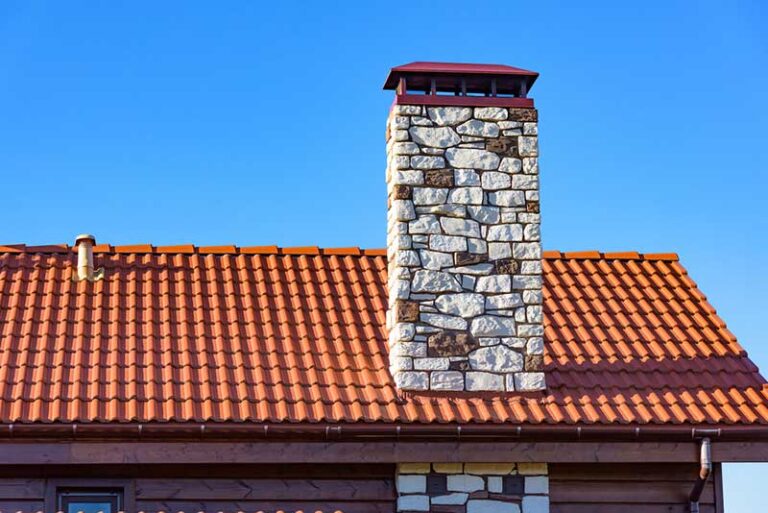
Debris is the cause Central Texas homeowners underestimate. Our long warm season gives birds, squirrels, and wasps a generous window to build in an unused flue, and a nest is an effective plug. If the fireplace drafted fine last season and does not now, a blockage belongs high on the list, which is the clearest argument for a properly fitted chimney cap.
Firewood That Is Not Ready to Burn
Wet or green wood spends its first phase of combustion boiling off water instead of producing heat, which means a cooler fire, weaker draft, and far more smoke. Firewood should be split, stacked off the ground, covered on top with the sides open, and given at least six months to season. Oak, the default around here, often wants closer to a year.
Chimney Height, Flue Sizing, and Surrounding Structures
Some fireplaces have never drafted properly, and no maintenance fixes a dimensional problem. The relationship between the firebox opening and the flue area matters, as does total chimney height. A chimney sitting lower than nearby rooflines and mature live oaks is in turbulent air, and wind striking those structures can push down the flue instead of pulling across it, which is why some fireplaces behave on a still evening and misbehave when the wind shifts. If a fireplace has smoked since the day you moved in, this is the category to investigate, and it needs measurement rather than guesswork.
Why Your Fireplace Smells Like Smoke When You Are Not Using It
This is a separate complaint with the same underlying cause. The smell is creosote residue reacting to humidity, and negative pressure carries that odor into the room rather than letting it vent upward. Run the air conditioning in a tight house on a humid day and you have built exactly the right conditions for it.
A sweep addresses the residue and a properly sealing damper addresses the airflow. A strong, persistent odor also signals more buildup in the flue than you want heading into burn season.
What You Can Safely Observe Yourself
This is visual observation only. Do not attempt repairs and do not climb onto the roof.
From inside the firebox, use a flashlight to confirm the damper appears fully open. From the ground outside, look at the top of the chimney and note whether the cap is present and intact and whether there is visible nesting material. Then note the pattern: does the smoking track with the range hood or dryer running, does it track with wind, and does it clear after the first few minutes or persist all evening? Telling a technician “it only smokes when the kitchen hood is on” narrows the diagnosis considerably before anyone arrives.
Safety note: This article is educational and is not a repair guide. Never operate a fireplace that is actively pushing smoke into your living space. If smoke persists, extinguish the fire safely, ventilate the room, and have the system evaluated. Smoke in the room means combustion byproducts are in the room, and those include carbon monoxide, which has no odor. Every home with a fuel-burning appliance should have working carbon monoxide alarms.
What a Professional Diagnosis Involves
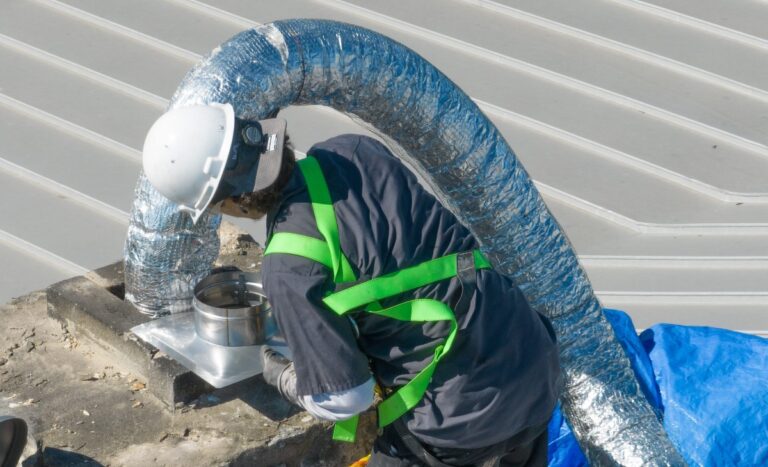
A Level 1 inspection covers the readily accessible portions of the system and suits a home with no known problem. A persistent draft complaint calls for a Level 2 inspection, which adds a camera scan of the full flue and answers what a homeowner cannot see: whether the liner is intact, whether there is a blockage above the smoke chamber, whether the flue is correctly sized, and how much buildup is present. NFPA 211, the national standard for chimneys and venting, calls for a Level 2 inspection after any operating malfunction, and a fireplace that smokes into the room qualifies.
The remedy follows the finding: a sweep, a damper replacement, a cap change, a smoke chamber correction, a liner repair, a height extension, or a makeup air solution that has nothing to do with the chimney at all.
Working With a Central Texas Team
Chimneys here are used and built differently than the ones most fireplace advice is written for, and a technician who works this market daily starts from that context. Wolfman Chimney & Fireplace serves New Braunfels, San Antonio, Austin, and the Hill Country with CSIA-certified technicians. If your fireplace smokes into the room, smells like smoke when it is not in use, or has never drafted right, have it looked at before you light another fire.
Frequently Asked Questions
That is almost always a cold flue. The chimney has to warm up before it can establish the upward pull that carries smoke out, and our short burn season means it starts cold nearly every time. If the fire settles down, the system is working as designed.
Creosote residue absorbs moisture from humid air and releases a strong odor, and negative pressure inside a tightly sealed, air-conditioned house pulls it down the chimney into the room. A sweep removes the residue, and a properly sealing damper addresses the airflow.
Treat it as a safety issue. Visible smoke means combustion byproducts are in your living space, and those include carbon monoxide, which you cannot see or smell. Do not keep burning a fireplace that smokes into the room.
Cracking a window nearby sometimes relieves negative pressure enough to restore draft, which makes it a diagnostic clue rather than a fix. If it consistently works, your house is not supplying enough makeup air.
Possibly, especially if it has smoked since you moved in. Height relative to the roofline and to surrounding trees affects draft directly, and this one needs measurement rather than guesswork.
NFPA 211 calls for an annual inspection regardless of usage, with sweeping as needed. Low usage slows creosote buildup but does not stop moisture, animal entry, or masonry deterioration.